Creating your first resume can feel daunting, especially when you’re targeting your first job. This guide will provide essential tips and strategies to help you write your first resume effectively, even if you have limited work experience. We’ll cover everything from choosing the right resume template to highlighting your skills and experience in a way that appeals to recruiters and hiring managers. Let’s get started and ensure your first resume makes a strong first impression.
Understanding the Basics of a Resume

What is a Resume?
A resume is a concise document summarizing your skills, experience, education, and qualifications relevant to a specific job. It’s a key tool in your job search, acting as your professional introduction to potential employers. Think of your resume as a marketing document, designed to showcase why you are the perfect candidate. When you write your first resume, understanding its purpose is crucial. It’s not just a list of what you’ve done; it’s a strategic presentation tailored to capture a recruiter’s attention and land you an interview.
Importance of a Resume for Your First Job
For those applying for their first job, a resume is particularly important as it compensates for the lack of extensive work experience. It highlights your potential, transferable skills, and eagerness to learn. Your first resume demonstrates to the hiring manager that you possess the necessary qualifications and a proactive attitude. When you make a resume for your first job, you need to showcase your strengths effectively, emphasizing education, extracurricular activities, volunteer work, and personal projects to demonstrate your capabilities and readiness for the role.
Key Elements of a No-Experience Resume
A resume with no experience should focus on several key elements. Start with clear contact information and a compelling resume objective or summary. To make your resume stand out, be sure to emphasize the following:
- Your education, relevant coursework, and any certifications.
- A skills section highlighting both hard and soft skills.
Detail extracurricular activities, volunteer experience, and personal projects that demonstrate relevant experience. Using a resume template can help ensure your resume looks professional, even if you haven’t had formal job experience. It’s also important to tailor your resume for every job you apply for, aligning it with the job description and the specific needs of the employer.
Choosing the Right Resume Format
Popular Resume Formats Explained
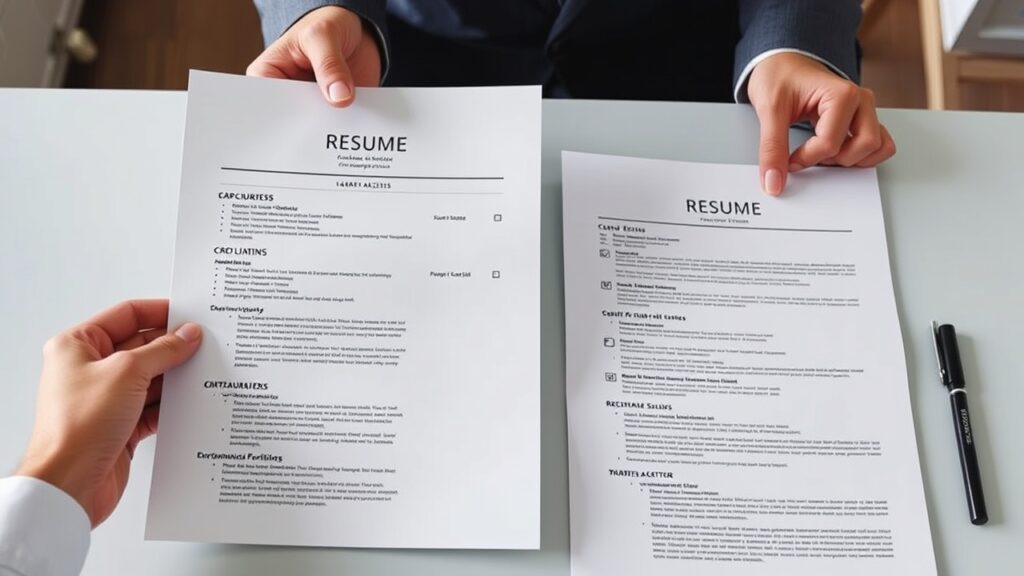
Selecting the right resume format is crucial, especially when you write your first resume. The chronological resume format lists your work experience and job experience in reverse chronological order, highlighting your career progression. This format is ideal if you have relevant job experience to showcase. On the other hand, a functional resume focuses on your skills and abilities rather than your work experience, which can be beneficial if you have gaps in your employment history or are applying for your first job. Combination resumes blend both formats, emphasizing skills while still providing a timeline of your job experience, presenting a comprehensive view of your qualifications.
How to Select the Best Format for Your First Job Resume
To choose the best format for your first job resume, consider your strengths and the requirements of the job ad. If you lack extensive work experience, a functional resume or a combination resume might be more effective, as they allow you to highlight your skills and relevant experience gained through extracurricular activities, volunteer experience, or personal projects. Carefully review your resume against the job description and choose the format that best showcases your qualifications and potential. Remember to tailor your resume to the specific job you apply for, emphasizing the skills and experiences that align with the employer’s needs. The resume won’t be a good resume if the hiring manager cannot quickly find relevant experience.
Using a Resume Template to Your Advantage
A resume template can be a valuable tool when you write your first resume, especially if you’re unsure where to start. A well-designed resume template provides a professional structure and ensures that your resume looks organized and easy to read. Utilize a resume builder to efficiently create a resume and take advantage of pre-designed templates. When using a template, remember to customize it with your own information and tailor your resume to each job you want. Including your contact information makes sure that the recruiter can contact you. Add your certification for each job title. Ensure that the template you select allows you to effectively highlight your skills, relevant coursework, and volunteer work, making a strong first impression. You might want to include a cover letter with it. It should be a one-page resume, so build a resume that is easy to understand by using a bullet point.
Crafting Your First Resume
Collecting Your Contact Information
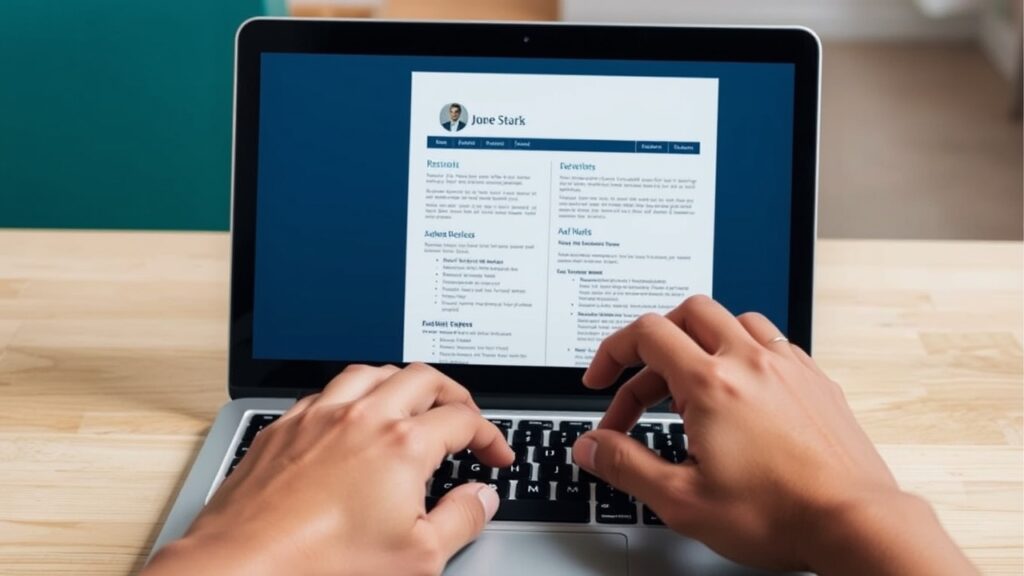
When you write your first resume, start with your contact information at the top. This section on your resume should include your full name, phone number, email address, and professional social media profiles, such as LinkedIn. Ensure that your email address sounds professional. Double-check that all the information is accurate and up-to-date to facilitate easy contact from the recruiter or hiring manager. A professional resume begins with easily accessible contact information. Using a resume template can help you format this section effectively, ensuring it looks clean and is easily readable.
Writing a Compelling Resume Objective
Crafting a compelling resume objective is crucial, especially when you make a resume with little to no work experience. The resume objective should be a brief statement highlighting your career goals and how your skills align with the job description. When applying for your first job, focus on what you can offer the employer, showcasing your enthusiasm and eagerness to learn. This section provides the hiring manager with a quick snapshot of your ambitions and qualifications, setting the tone for the rest of your resume. A strong resume objective can compensate for limited job experience.
How to List Work Experience (or Lack Thereof)
Effectively listing work experience, or addressing the lack thereof, is essential when you write your first resume. If you have limited job experience, focus on relevant experience gained through extracurricular activities, volunteer work, or personal projects. Highlight the skills you acquired and how they relate to the job you want. If you have no formal work experience, emphasize relevant coursework, internships, or any volunteer experience. Use action verbs to describe your responsibilities and accomplishments, making sure to quantify your achievements whenever possible. This approach helps demonstrate your potential and readiness for the role, making your resume stand out to the recruiter.
Tailoring Your Resume for Specific Jobs
The Importance of Customization
The importance of customization cannot be overstated when crafting a resume, especially when seeking your first job. Generic resumes rarely impress hiring managers. To truly stand out, you need to tailor your resume to match the specific requirements outlined in each job ad. By carefully aligning your skills, work experience, and qualifications with the desired attributes, you significantly increase your chances of capturing the recruiter’s attention. Remember, a customized resume looks like it was written specifically for that position, demonstrating your genuine interest and suitability.
How to Tailor Your Resume for a First Job
When applying for your first job, tailor your resume to highlight relevant experience and skills that align with the job description. Even if you lack extensive work experience, emphasize extracurricular activities, volunteer experience, and personal projects that demonstrate key competencies. Use keywords from the job ad throughout your resume, ensuring that your qualifications resonate with what the hiring manager is seeking. Customizing your resume in this way shows that you’ve taken the time to understand the role and company, making a strong first impression.
Using Bullet Points Effectively
Using bullet points effectively is crucial for readability and clarity when you write a resume, especially for a resume for your first job. Start each bullet point with a strong action verb to describe your responsibilities and accomplishments. Focus on quantifiable results whenever possible, highlighting the impact of your actions. Keep each bullet point concise and easy to understand, ensuring that the hiring manager can quickly grasp your key contributions. Avoid long, rambling sentences and focus on presenting information in a clear and impactful manner. Utilizing bullet points effectively enhances the overall presentation of your resume, increasing your chances of getting noticed by a recruiter.
Reviewing and Finalizing Your Resume
Tips for Reviewing Your Resume
Before submitting your first resume, it is crucial to review your resume meticulously. Check for any grammatical errors, typos, or inconsistencies in formatting. Ensure that your contact information is accurate and prominently displayed. Verify that your work experience and skills and experience align with the job description. A professional resume is error-free and easy to read, making a strong first impression on the recruiter or hiring manager. Take the time to proofread thoroughly, or ask a friend to review your resume to catch any mistakes you might have missed. Ensuring your resume looks polished and professional will increase your chances of landing an interview.
Common Mistakes to Avoid
When you write your first resume, be aware of common mistakes that can detract from its effectiveness. Avoid generic resume objectives or summary statements that don’t highlight your unique qualifications. Ensure that you tailor your resume for each job you apply for, rather than submitting a generic template. Refrain from exaggerating your work experience or skills and experience, as dishonesty can be easily detected. Additionally, avoid including irrelevant information or personal details that are not related to the job you want. Being mindful of these pitfalls will help ensure that your resume makes a positive impact.
Getting Feedback on Your Resume
Seeking feedback on your resume is an invaluable step in the job search process. Share your resume with career counselors, mentors, or trusted peers who can provide constructive criticism and suggestions for improvement. Ask them to assess the clarity, conciseness, and overall effectiveness of your resume. Incorporate their feedback to refine your resume and address any weaknesses. A fresh perspective can often identify areas where you can better highlight your skills and experience, ensuring that your resume looks as compelling as possible to the hiring manager.
Additional Resources and Tips
Creating a Cover Letter to Accompany Your Resume
A well-crafted cover letter can significantly enhance your job search efforts, especially when applying for your first job. Your cover letter should complement your resume by providing additional context and showcasing your enthusiasm for the role. Tailor your cover letter to each specific job you apply for, highlighting your relevant experience and explaining why you’re a strong fit for the company. Use the cover letter to elaborate on your skills and experience, demonstrating your understanding of the company’s needs and how you can contribute to their success. Including a cover letter showcases your professionalism and attention to detail.
Where to Find More Resume Tips
To enhance your resume writing skills and gather more insights, numerous resources are available. Online career websites and blogs offer valuable tips and guidance on crafting effective resumes. Career services at your educational institution can provide personalized advice and resume examples. Professional organizations in your field often offer resources and workshops on resume writing. Additionally, networking with professionals in your industry can provide valuable insights into what employers look for in a resume. Utilizing these resources can significantly improve your ability to write a resume that stands out.
Helpful Links for Job Seekers
For job seekers looking to enhance their application materials, several helpful online resources can provide valuable insights and tools. LinkedIn offers a wealth of professional networking opportunities and resume-building advice. Indeed provides a vast database of job postings and salary information, aiding in your job search. Glassdoor offers company reviews, salary data, and interview insights, helping you prepare for potential job opportunities. These platforms can significantly enhance your understanding of the job market and improve your chances of securing your first job resume. For more career advice and resume tips, Visit Forbes.